Filtered by: Residential Proxy · 33 results · Clear

AI Automation and Proxy Networks: Building More Reliable Global Workflows
AI automation depends on more than intelligent models—it also needs reliable access to global online data. Learn how residential and mobile proxies can support AI-powered data collection, market research, e-commerce analysis, SEO monitoring, and regional website verification.
 10 min read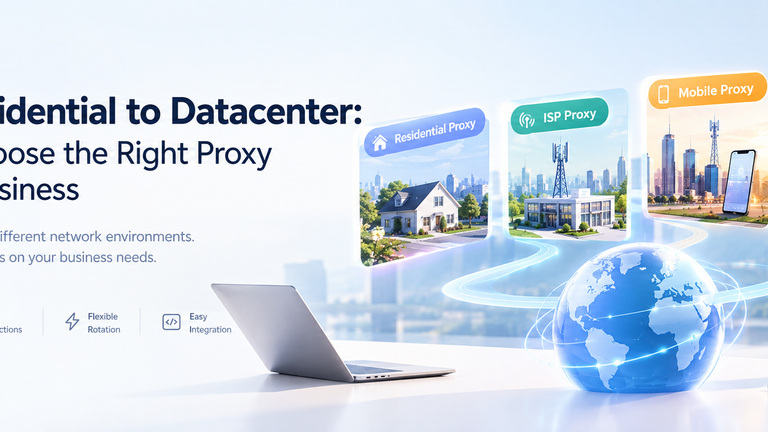
From Residential to Datacenter: How to Choose the Right Proxy for Your Business
Residential, datacenter, ISP, and mobile proxies serve different business needs. Learn how to choose the right proxy based on network type, location, IP rotation, stability, and real-world performance.
9 min read
Real Estate Big Data: How Residential Proxies Support Global Data Collection and Market Research
Real estate is becoming increasingly data-driven, with property prices, rental listings, location data, demographics, and market trends helping businesses make better-informed decisions. For teams collecting real estate data across different countries and regions, residential proxies can provide flexible, location-based IP access for public web data collection and market research. Helodata offers residential and rotating residential proxies that support global data access, helping businesses build more flexible workflows for real estate research, web scraping, and market monitoring.
13 min read
Mercari Japan Guide: How to Choose a Reliable Japanese Residential Proxy IP
Learn how to choose and use Japanese residential and ISP proxies for Mercari, e-commerce research, SEO, and localization testing, and see how Helodata can support Japan-focused network access.
9 min read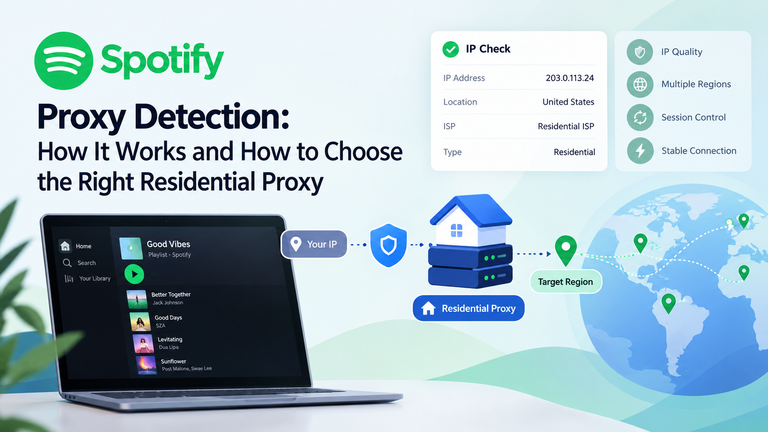
Spotify Proxy Detection: How It Works and How to Choose the Right Residential Proxy
Spotify may evaluate IP reputation, network ownership, geographic consistency, and connection behavior when assessing proxy connections. Residential proxies can offer consumer ISP-associated IPs, but they are not automatically undetectable or guaranteed to work. Choosing a reliable provider, selecting the right location, using suitable session settings, and testing the connection can help create a more consistent network environment.
11 min read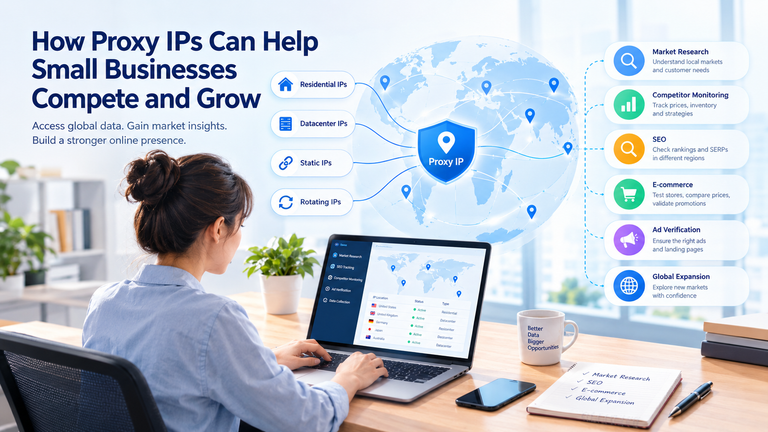
How Proxy IPs Can Help Small Businesses Compete and Grow
Proxy IP services can help small businesses access localized information, collect market data, monitor competitors, verify advertisements, and support cross-border operations. By choosing the right proxy type and using it responsibly, businesses can gain valuable market insights and improve operational flexibility without building complex network infrastructure.
18 min read
What Is a Proxy Server? How It Works, Proxy Types, and How to Choose the Right Proxy
Learn how proxy servers work, compare residential, datacenter, ISP, and mobile proxies, and understand how rotation, sticky sessions, and geographic targeting support modern web, data, and AI workflows.
11 min read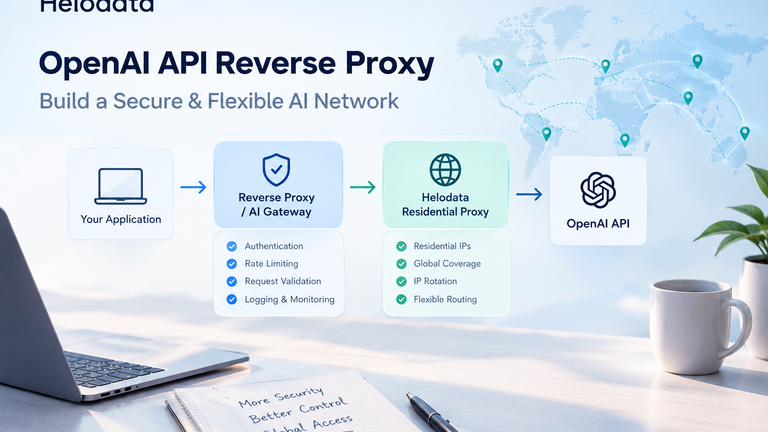
How to Build an OpenAI API Reverse Proxy: Architecture, NGINX, Security, and Proxy Networking
Learn how to build an OpenAI API reverse proxy with NGINX, protect API keys, manage traffic, and integrate residential proxies for flexible AI networking.
9 min read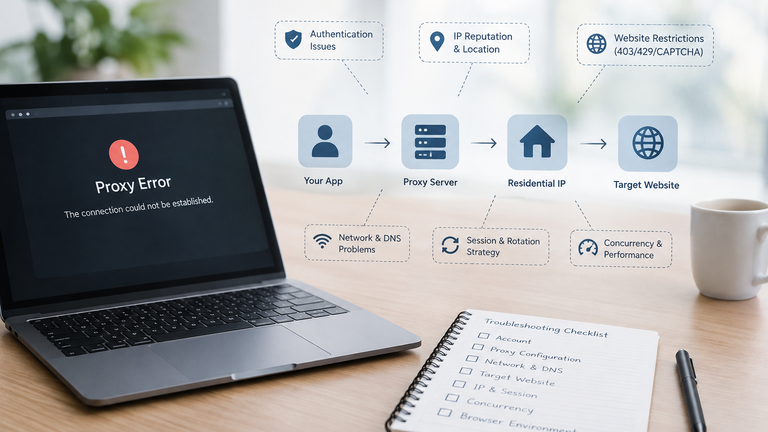
Why Residential Proxies Stop Working: A Technical Troubleshooting Guide
Residential proxies can fail because of IP reputation, authentication, network issues, session settings, rotation, or target-site restrictions. Learn how to diagnose proxy failures and build a more stable setup with the right IP and session strategy.
13 min read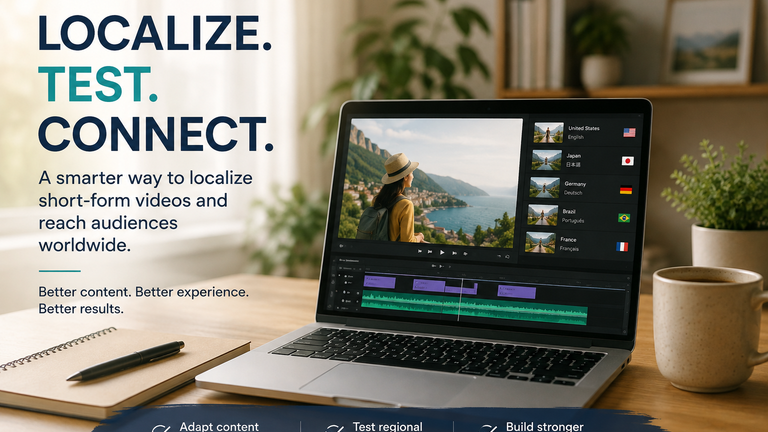
2026 Guide to Localizing Short-Form Video for Global Markets
Learn how to localize short-form videos for international audiences, from content adaptation and multilingual subtitles to regional landing-page testing and real-device reviews. The right proxy infrastructure can also help verify how your content and website appear across different markets.
11 min read
2026 Guide to Freelancing and Remote Work: How to Find International Clients and Build a Stable Global Business
Learn how to find international freelance clients, build trust, and create a stable global workflow with the right proxy solution.
11 min read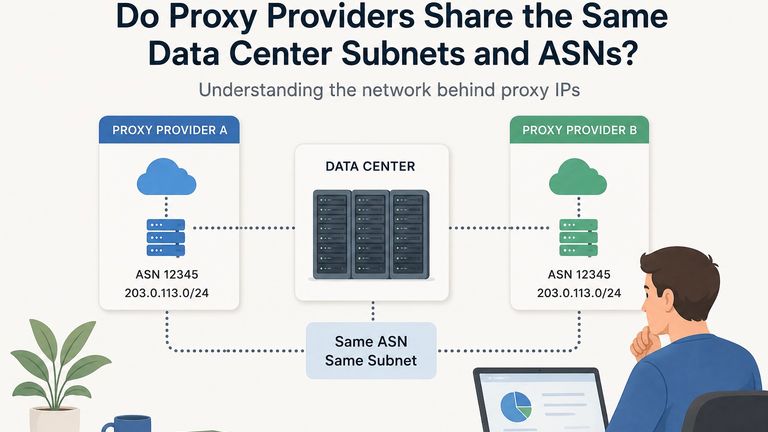
Do Proxy Providers Share the Same Data Center Subnets and ASNs? A Practical Guide to IP Infrastructure
Different proxy providers may share the same data center ASN or subnet due to shared infrastructure and limited IPv4 resources. However, shared ASN does not necessarily mean poor proxy quality. IP reputation, subnet distribution, network stability, rotation, and overall IP management are more important factors when evaluating a proxy provider.
9 min read